

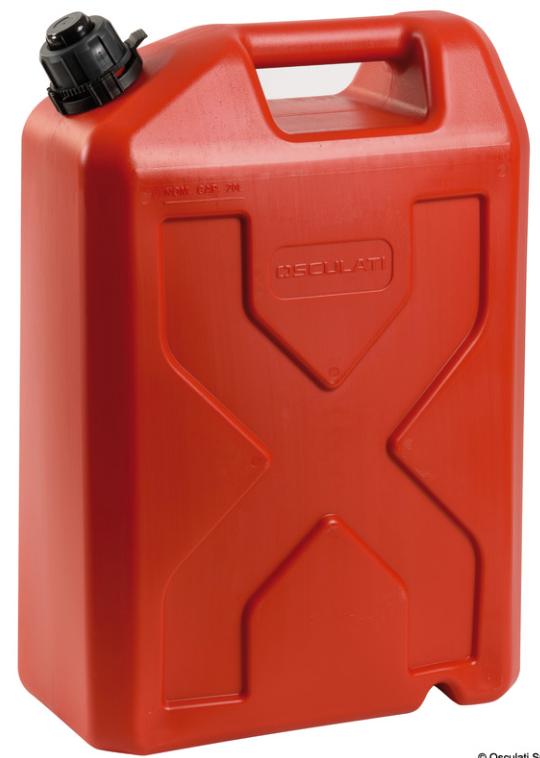

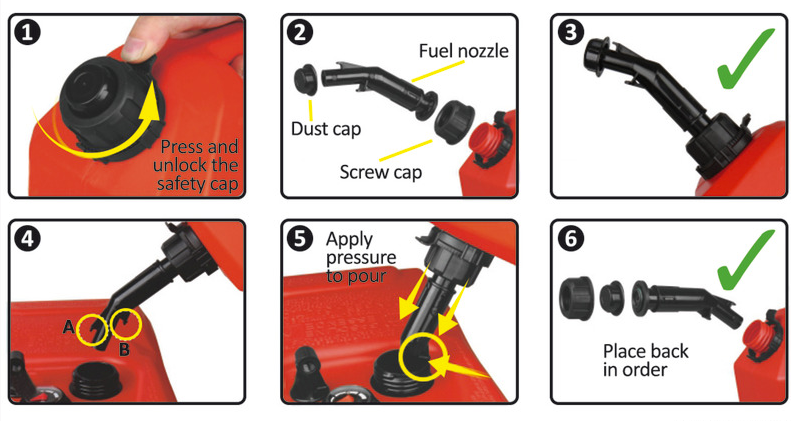
Special nozzle design so delivery only starts when inserted into the deck plug.
Vented nozzle for even flow.
Child proof cap.
£17.50 – £27.50Price range: £17.50 through £27.50
includes 20% VAT
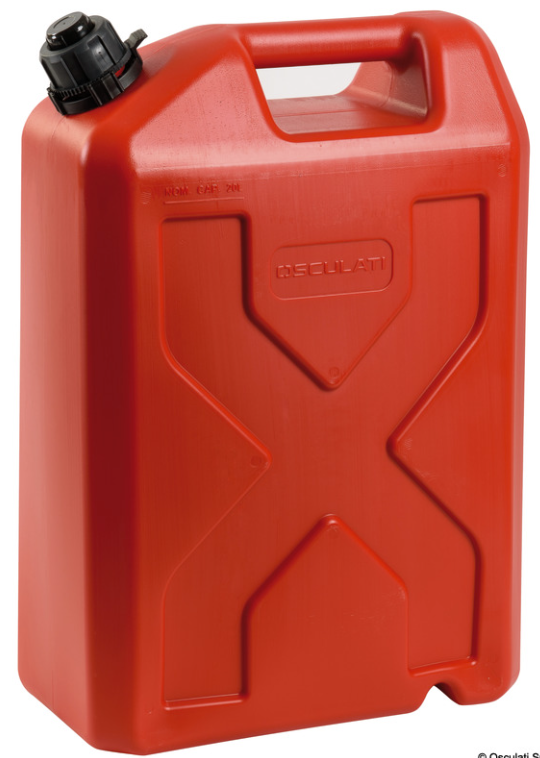
Innovative, heavy duty jerry cans.
These robust, red cans are a great upgrade on standard fuel cans. Not only do they have a rugged design suitable for withstanding the toughest of environments but they have a revolutionary fuel dispensing nozzle.
So what’s special about the nozzle? Well…
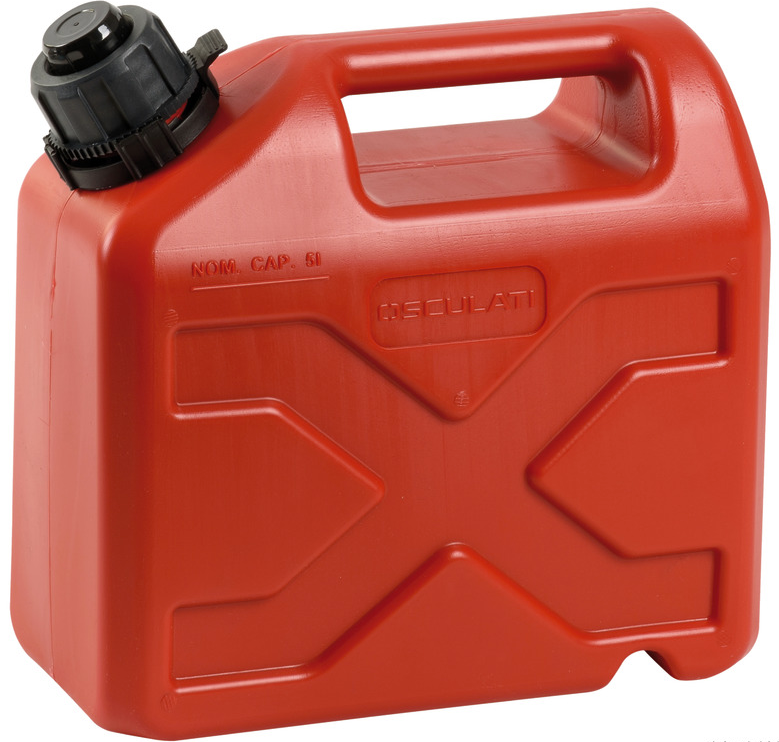
The jerry can comes in a choice of 3 different sizes: 5, 10, or 20 litres.
The child safe cap gives you peace of mind that the contents will remain inside the tank, out of harms way.
The carry handle on the top of the tank and groove on the underside of the tank are grate design features that have real practical uses. As when pouring the fuel out of the can, you have a really good grip on the tank.
These cans make great storage tanks for either emergency re-fuel or more serious fueling.
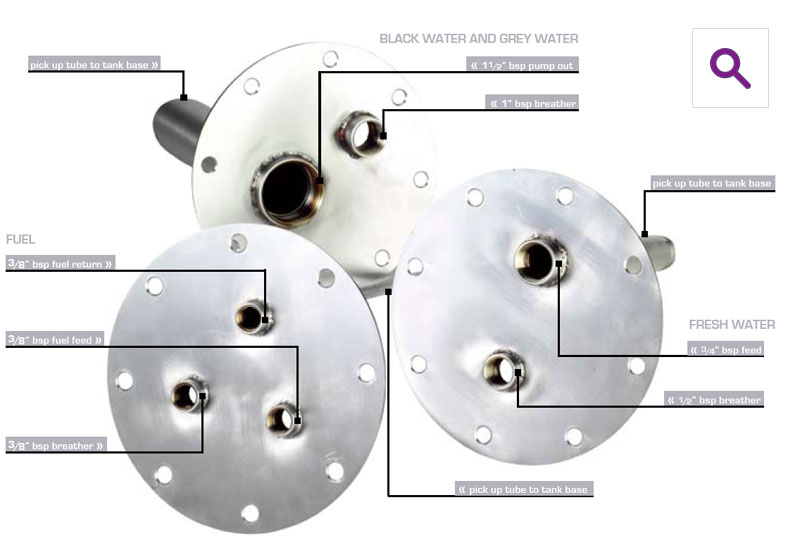
We manufacture a range of 9 different sized metal tanks, which can be used for either drinking water, grey water, black water or fuel. All tank sizes are available in a choice of 3 materials:
Stainless steel is ideal for all marine tanks due to its durability and corrosion resistance. Stainless is a favourite choice for fresh water tanks, as it doesn’t affect the taste of drinking water.
Aluminium is lighter than stainless steel, and is a popular choice for fuel tanks.
What makes Jay Wolfe tanks special?
CE & UKCA Marking

Jay Wolfe tanks have gone through rigorous testing, including 25,000 impulse pressure tests, to be awarded the CE & UKCA marks. All 9 sizes of our aluminium and stainless steel standard tanks are certified for fuel. The aluminium tanks can be used for either petrol or diesel and the stainless steel versions for diesel. To comply with the Recreational Craft Directive (RCD) your fuel tank should be CE marked.
All our standard tanks are made in accordance with both ISO 8099 (for black water) and ISO 21487 (for fuel) and they come with the appropriate declaration of conformity. NB Water tanks do not require ISO certification.
ISO 21487 – Small Craft
Permanently installed petrol and diesel fuel tanks
ISO 8099 – Small Craft
Toilet waste retention systems
Can stainless steel fittings be used safely on an aluminium tank?
Bimetalic (Galvanic) Corrosion can occur in a marine environment when aluminium and stainless steel are in direct contact with each other. To avoid this risk we recommend the use of Tef-Gel on all aluminium tanks as an insulating seal where stainless steel fittings are used.


